Building a Circular Economy: A Step-by-Step Guide for Businesses
Understanding the Circular Economy
The concept of a circular economy is gaining traction as businesses look for sustainable ways to operate. Unlike the traditional linear economy, which follows a 'take, make, dispose' model, a circular economy focuses on reducing waste, reusing products, and recycling materials. This approach not only benefits the environment but also creates economic opportunities by maximizing resource efficiency.
In a circular economy, products and materials are kept in use for as long as possible. This sustainable model encourages innovation and can lead to significant cost savings. For businesses, adopting a circular economy framework can enhance brand reputation and open new market opportunities.

Steps to Transition to a Circular Economy
Evaluate Current Practices
The first step in building a circular economy is to evaluate current business practices. Identify areas where waste is generated and resources are underutilized. This assessment can provide a baseline for improvement and help set clear objectives for transitioning to a more sustainable model.
Design for Longevity
Design products with longevity in mind. This involves using durable materials, modular designs, and considering the entire lifecycle of a product. By focusing on durability and repairability, businesses can reduce waste and encourage reuse.
Implement Recycling and Reuse Programs
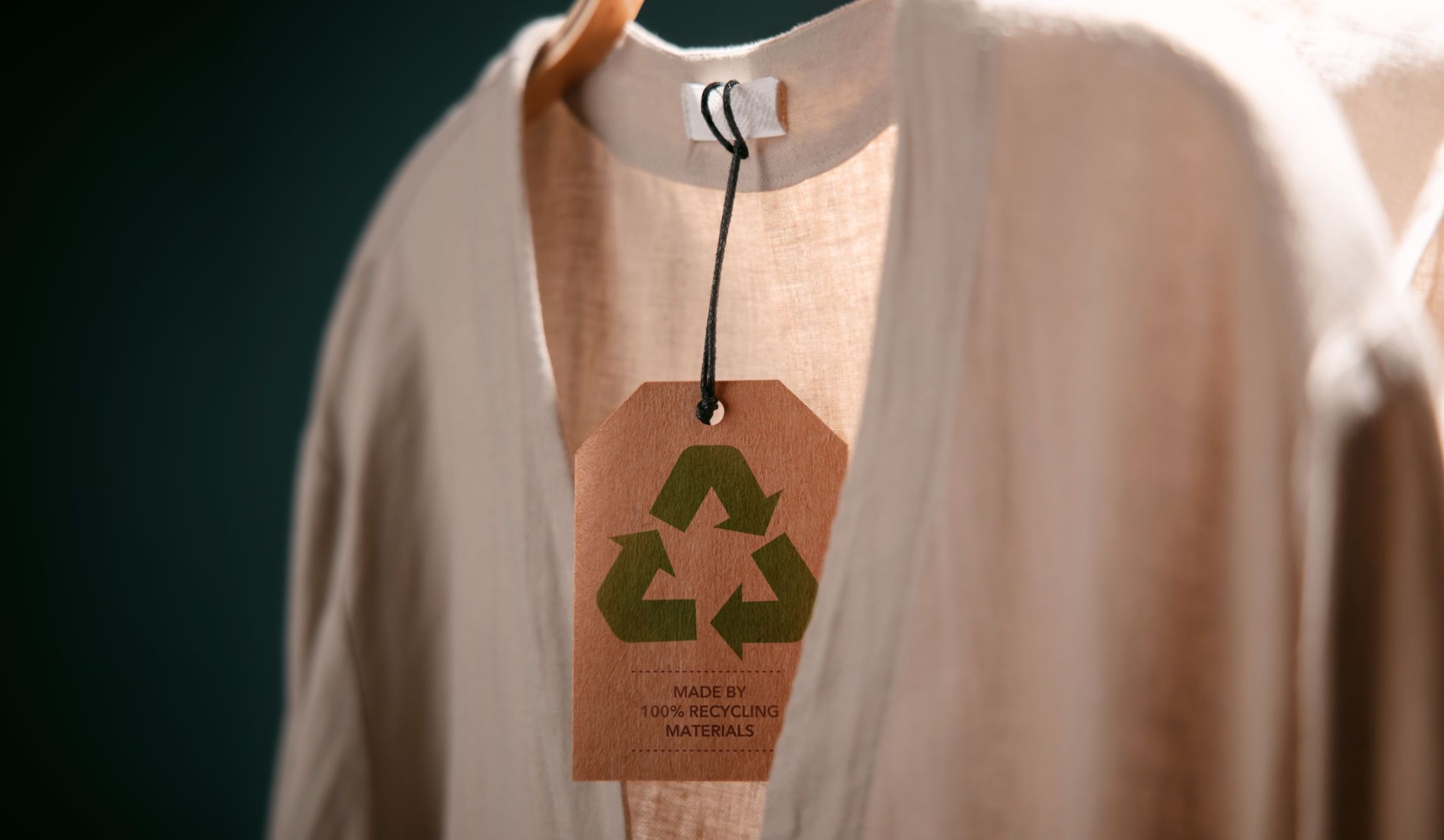
Establish comprehensive recycling and reuse programs within your organization. Encourage employees and customers to participate in these initiatives by offering incentives. Creating closed-loop systems where materials are continuously repurposed can significantly reduce the environmental impact.
Engage with Partners and Stakeholders
Collaboration is key to building a circular economy. Engage with suppliers, customers, and other stakeholders to develop a shared vision for sustainability. By working together, businesses can create more efficient supply chains and innovate new solutions for waste management.

Leverage Technology
Utilize technology to track and optimize resource use. Advanced data analytics, IoT devices, and AI can provide insights into material flows and identify areas for improvement. Technology can also facilitate transparent communication with stakeholders, enhancing trust and cooperation.
Monitor and Adapt
Finally, continuously monitor progress and adapt strategies as needed. Set measurable goals and regularly review performance to ensure alignment with circular economy principles. This ongoing evaluation will help identify new opportunities for improvement and ensure long-term success.
Transitioning to a circular economy requires commitment and innovation, but the benefits are substantial. By taking these steps, businesses can contribute to a more sustainable future while also reaping economic rewards.