Case Study: Successful Integration of Sustainability in Business Models
Introduction to Sustainable Business Models
In today's rapidly evolving market, integrating sustainability into business models is not just a trend but a necessity. Companies worldwide are recognizing that sustainable practices are key to long-term success and resilience. This case study explores how businesses have successfully incorporated sustainability, reaping benefits both environmentally and economically.
The shift towards sustainability is driven by consumer demand, regulatory pressures, and the undeniable impact of climate change. Companies embracing this change are finding innovative ways to integrate eco-friendly practices into their operations.
Understanding the Concept of Sustainability
Sustainability in business involves adopting practices that meet current needs without compromising the ability of future generations to meet theirs. This concept extends beyond environmental concerns to include social and economic sustainability.
Businesses that lead in sustainability often focus on three main pillars: environmental protection, social equity, and economic growth. By balancing these elements, companies can create a positive impact while ensuring profitability.
Environmental Initiatives
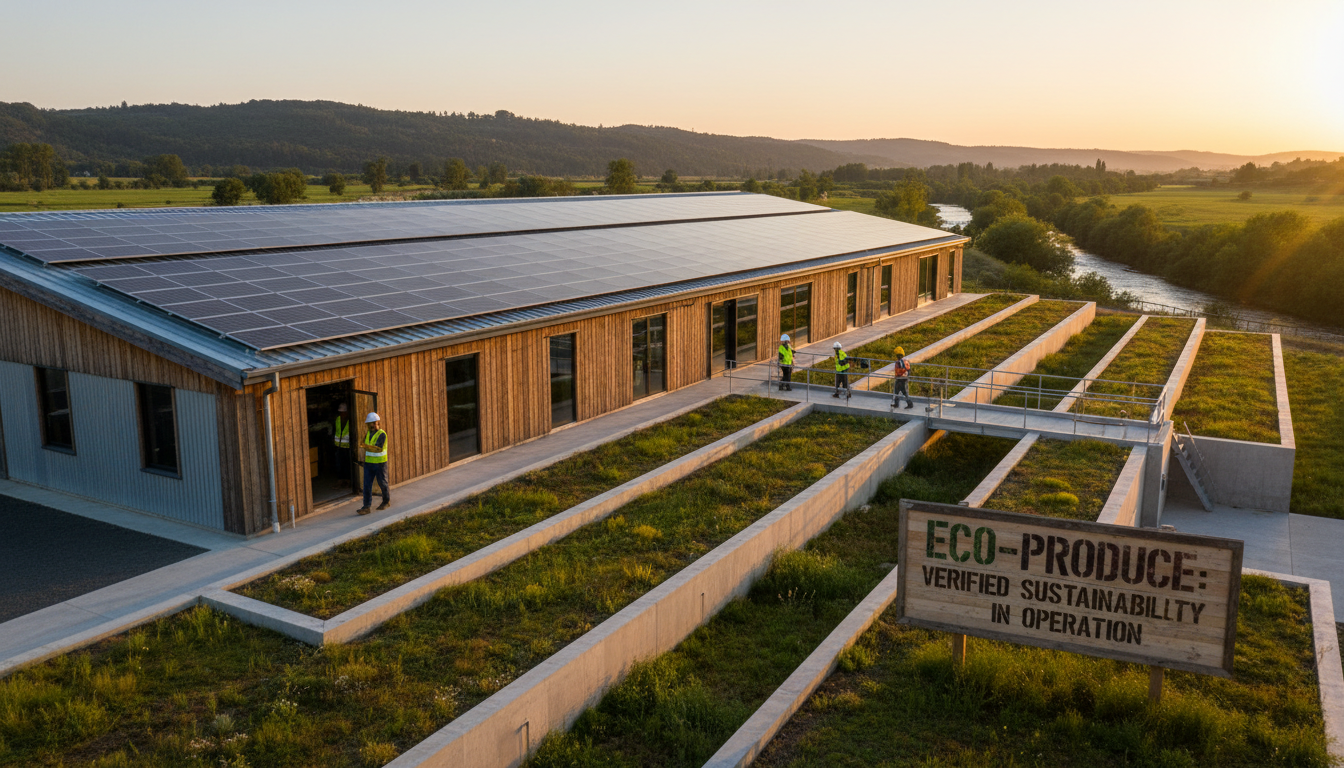
Many companies have implemented strategies to reduce their carbon footprint, minimize waste, and use resources more efficiently. For example, some have shifted to renewable energy sources, while others have invested in technologies that enhance energy efficiency.

Social Responsibility
Social sustainability involves ensuring fair labor practices, community engagement, and equitable resource distribution. Companies are increasingly investing in their workforce and local communities to foster trust and build lasting relationships.
By promoting diversity, equity, and inclusion, businesses not only enhance their brand reputation but also drive innovation and creativity. This approach not only benefits the company but also strengthens community ties and supports societal improvement.

Economic Benefits of Sustainability
Integrating sustainability can lead to significant economic advantages. Companies often experience cost savings through improved efficiency and reduced waste. Moreover, sustainable practices can open new revenue streams and enhance brand loyalty.
Businesses that prioritize sustainability are also better positioned to adapt to regulatory changes and shifting market demands. This adaptability provides a competitive edge in an increasingly eco-conscious world.
Case Examples of Successful Integration
Numerous companies serve as exemplary models of successful sustainability integration. For instance, a global fashion brand has revolutionized its supply chain by using recycled materials, significantly reducing its environmental impact.
- A tech company has implemented a comprehensive recycling program, achieving zero waste in its production facilities.
- A leading food and beverage corporation has committed to sourcing 100% of its raw materials sustainably.

Conclusion: The Future of Sustainable Business
As we look to the future, the integration of sustainability in business models will continue to evolve. Companies that are proactive in adopting sustainable practices will lead the way, driving change and setting new industry standards.
Ultimately, embracing sustainability is not just about compliance or profit—it's about ensuring a viable future for both businesses and the planet. By learning from successful case studies, more companies can embark on a sustainable journey that benefits everyone.