Case Study: Successful Integration of Sustainability Practices in Supply Chains
Introduction to Sustainable Supply Chains
In recent years, businesses have increasingly integrated sustainability into their supply chain practices. This shift is driven by growing consumer demand for environmentally responsible products and the need to comply with stricter regulations. By adopting sustainable practices, companies not only reduce their environmental impact but also enhance their brand reputation and operational efficiency.
One noteworthy example of successful sustainability integration in supply chains is the case of a leading global retailer. This company has set ambitious sustainability goals, aiming to reduce its carbon footprint and promote ethical sourcing. Let's explore how they achieved this transformation and the benefits they reaped.
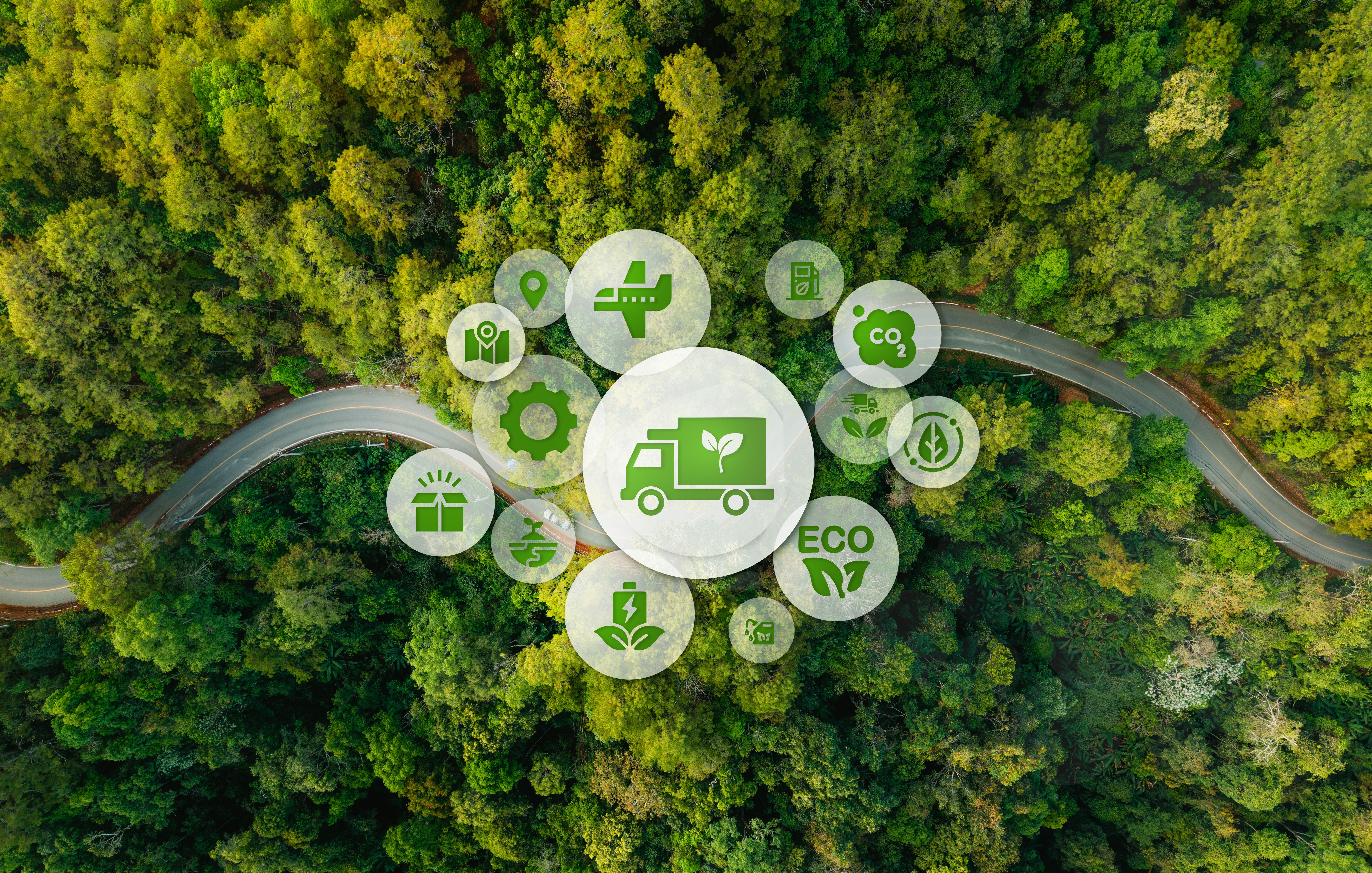
Implementing Sustainable Practices
The first step in the company's sustainability journey was conducting a thorough assessment of their existing supply chain. This involved identifying areas where improvements could be made, such as reducing waste, optimizing logistics, and sourcing materials responsibly. Armed with this information, they developed a comprehensive plan to address these challenges.
One key strategy was to partner with suppliers who shared their commitment to sustainability. By working closely with these partners, the company was able to ensure that raw materials were sourced ethically and that production processes minimized environmental harm. This collaboration also involved investing in technologies that reduced energy consumption and emissions.

Leveraging Technology for Efficiency
Technology played a crucial role in transforming the supply chain. The company implemented advanced data analytics to monitor and optimize every aspect of the supply chain, from procurement to distribution. This allowed them to identify inefficiencies and make data-driven decisions, resulting in significant cost savings and reduced environmental impact.
Moreover, the company adopted machine learning algorithms to forecast demand more accurately, reducing overproduction and waste. This proactive approach not only minimized resource usage but also improved customer satisfaction by ensuring that products were available when needed.

Measuring Success
The integration of sustainability practices yielded remarkable results. The company reported a substantial reduction in carbon emissions and waste, aligning with their sustainability targets. Additionally, they experienced an increase in customer loyalty, as consumers increasingly prefer to support brands that prioritize the environment.
Furthermore, the company's commitment to sustainability attracted positive media attention and enhanced their corporate image. This not only differentiated them from competitors but also opened up new business opportunities and partnerships with like-minded organizations.
Challenges and Future Directions
Despite the successes, the journey was not without challenges. The company faced initial resistance from some suppliers and internal stakeholders who were hesitant to change established practices. Overcoming these hurdles required clear communication and demonstrating the long-term benefits of sustainability.
Looking ahead, the company plans to continue refining their supply chain practices. This includes exploring renewable energy sources and further integrating circular economy principles. By remaining committed to sustainability, they aim to lead the industry in creating a more sustainable future.

Conclusion
The successful integration of sustainability practices in supply chains proves that environmentally responsible business models are not only possible but also profitable. By prioritizing sustainability, companies can achieve significant environmental benefits while enhancing their competitive edge. As more businesses follow this path, we can look forward to a more sustainable and equitable global economy.