Common Misconceptions About Sustainability in Business Operations
What Sustainability Truly Means
Sustainability in business operations often evokes images of green initiatives and eco-friendly practices. However, a common misconception is that sustainability is solely about environmental impact. In reality, it encompasses a broader spectrum, including economic and social dimensions. Businesses need to integrate all three pillars—environmental, economic, and social—to truly embrace sustainability.

Sustainability is Not Just for Big Corporations
Many small and medium-sized enterprises (SMEs) believe sustainability is a luxury only large corporations can afford. This is a misconception. Sustainable practices can be scaled to fit any business size and often lead to cost savings and increased efficiency. SMEs can implement small changes, like reducing waste or optimizing energy use, which collectively make a significant impact.
Sustainable Practices Are Costly
A prevalent myth is that sustainable initiatives are expensive and not economically feasible. While there may be initial costs, sustainable practices often lead to long-term savings. For example, energy-efficient appliances reduce utility bills, and waste reduction strategies minimize disposal costs. Many businesses find that the return on investment in sustainability is substantial over time.

Impact on Brand Reputation
Another misconception is that sustainability does not influence brand perception. In contrast, consumers increasingly prefer brands committed to sustainable practices. A strong sustainability strategy can enhance brand reputation, foster customer loyalty, and even attract new clientele. Businesses that ignore this trend risk being seen as outdated or irresponsible.
Environmental Impact is Not Measurable
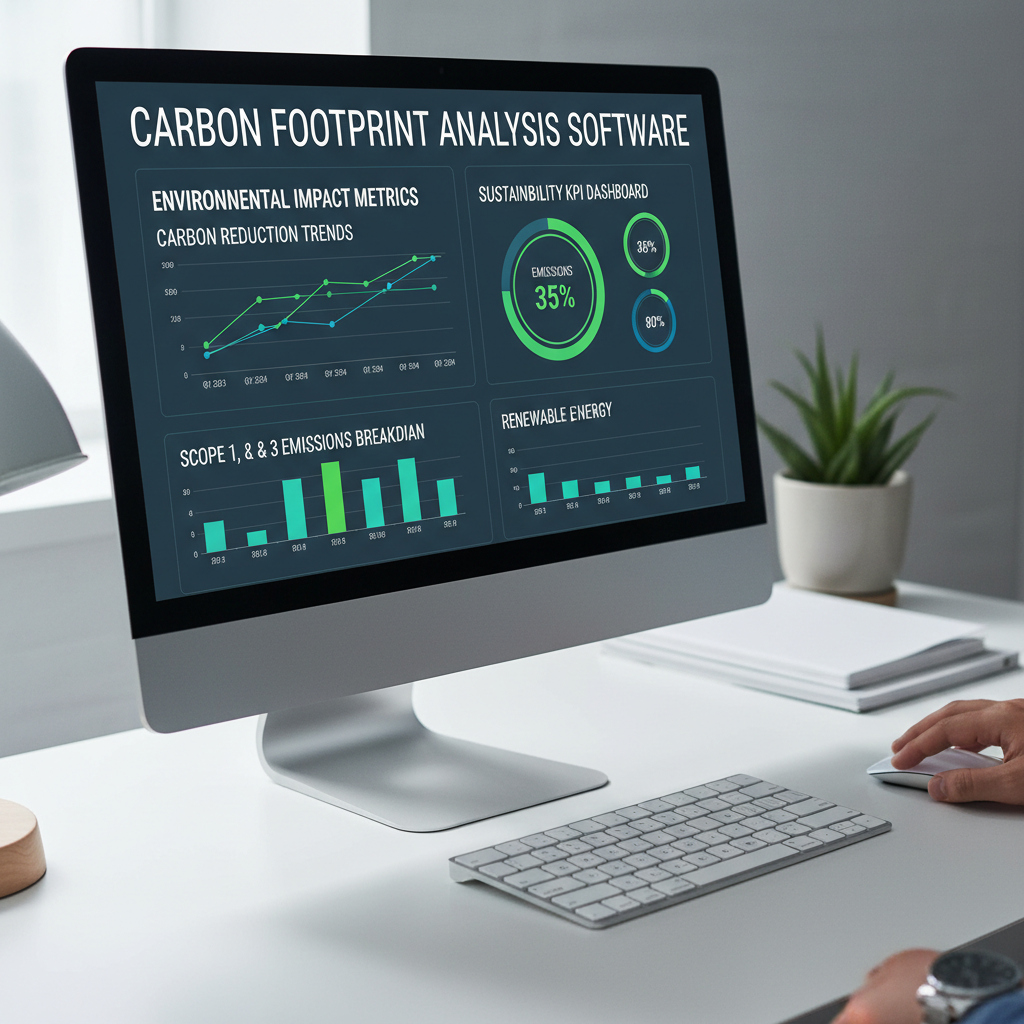
Some businesses believe that their environmental impact is too insignificant to measure or matter. However, every business leaves a footprint. Implementing measurable sustainability metrics helps track progress and identify areas for improvement. Tools like carbon footprint calculators and sustainability audits can provide valuable insights.
Sustainability Equals Sacrifice
There is a misconception that adopting sustainable practices means sacrificing quality or convenience. In reality, many sustainable solutions enhance product quality and operational efficiency. For instance, using high-quality, sustainable materials can lead to more durable products, and optimizing logistics can improve delivery times while reducing emissions.
The Role of Innovation
Innovation is often overlooked in discussions about sustainability. Many assume that sustainable practices are static and unchanging. However, innovation drives sustainability forward by developing new technologies and processes that enhance efficiency and reduce environmental impact. Businesses should view sustainability as an ongoing journey of innovation and improvement.
In conclusion, understanding and addressing these misconceptions is crucial for businesses looking to adopt genuine sustainable practices. By recognizing the multifaceted nature of sustainability, companies can not only contribute positively to the environment but also achieve economic benefits and strengthen their market position. Embracing sustainability is a strategic advantage that supports long-term success.