Future Trends in Sustainability Consulting: What to Expect
Understanding the Shifts in Sustainability Consulting
The field of sustainability consulting is continuously evolving as businesses and consumers become more environmentally conscious. As we look to the future, several key trends are set to shape this dynamic industry. Companies are not just seeking compliance with environmental regulations but are also aiming for genuine sustainability that aligns with their corporate values and customer expectations.
One of the most significant trends is the integration of technology in sustainability practices. Digital tools are becoming essential in analyzing and improving environmental impacts. Technologies such as AI, IoT, and blockchain are being leveraged to enhance transparency and efficiency in sustainability efforts.
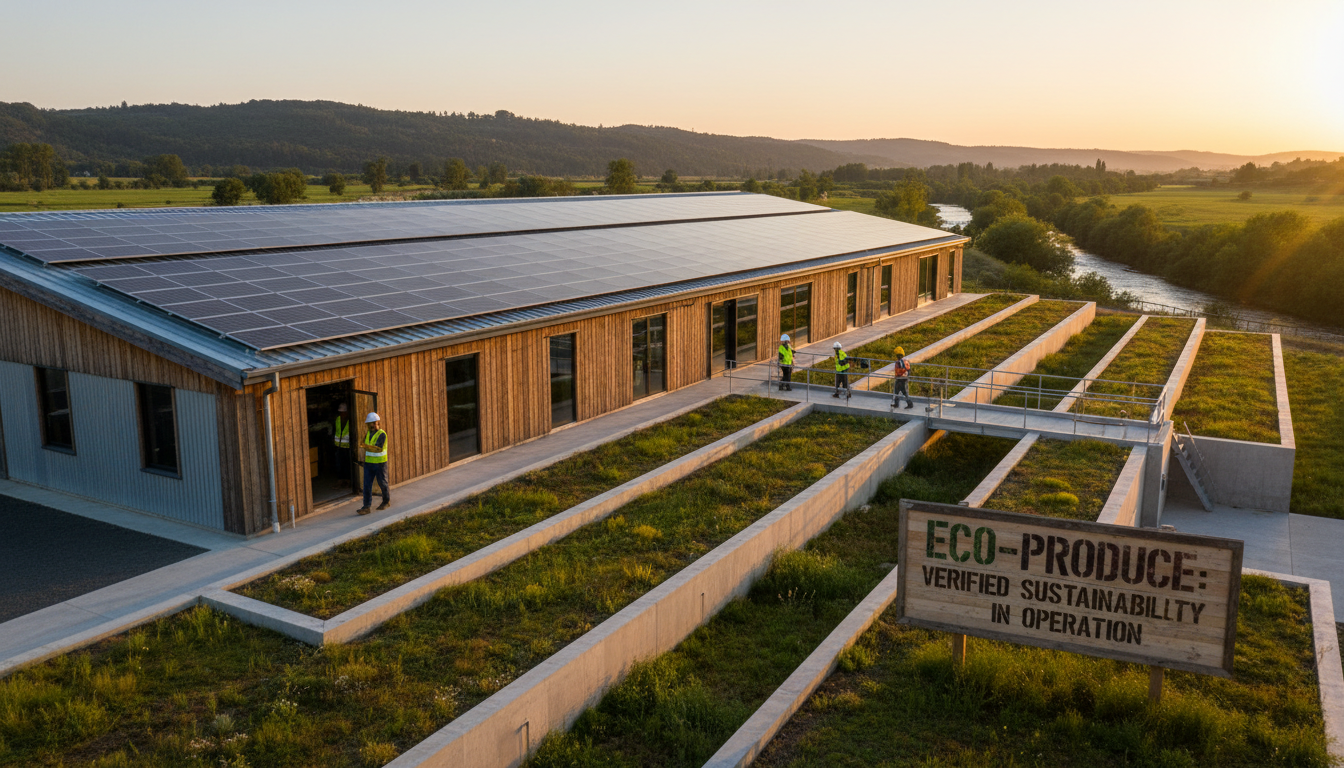
The Rise of Circular Economy Practices
Another trend gaining momentum is the shift towards a circular economy. This model focuses on reducing waste and making the most of resources. Instead of the traditional linear economy, which follows a 'take-make-dispose' approach, a circular economy promotes recycling, reuse, and the redesign of materials and products.
Consultants are now helping businesses transition to circular models by developing strategies that minimize waste and optimize resource use. This not only helps the environment but also offers economic benefits by reducing costs and creating new revenue streams.
Emphasizing Social Impact
Sustainability is not just about environmental issues; it also encompasses social responsibility. Future trends in sustainability consulting will increasingly focus on social impact, ensuring that business operations positively affect local communities and promote fair labor practices.
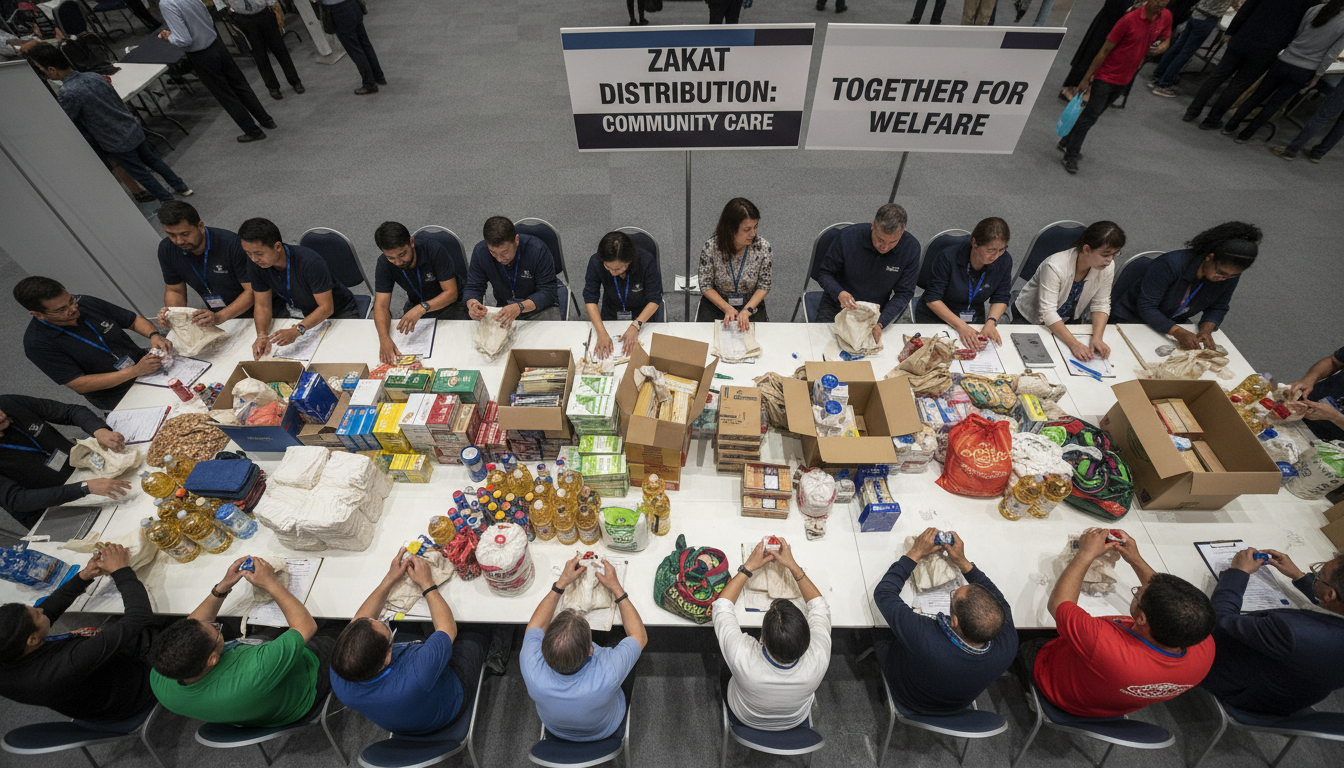
Consultants will work closely with companies to develop strategies that address social issues, such as diversity, equity, and inclusion. By fostering a more equitable environment, businesses can improve their brand reputation and build stronger relationships with stakeholders.
Data-Driven Decision Making
Data analytics is playing a crucial role in guiding sustainability initiatives. With the abundance of data available, consultants can help businesses make informed decisions based on real-time insights. These insights allow for more precise measurement of sustainability efforts and the ability to track progress against set goals.
By utilizing advanced analytics, businesses can identify areas for improvement, optimize resource allocation, and enhance their overall sustainability performance. The reliance on data-driven strategies will only grow as companies seek to achieve their sustainability targets more efficiently.

Enhanced Regulatory Compliance
As governments worldwide tighten regulations to combat climate change, businesses must stay ahead of compliance requirements. Sustainability consultants play a vital role in helping companies navigate these complex regulations and avoid potential fines and reputational damage.
Future trends suggest that regulatory frameworks will become more stringent, requiring companies to adopt proactive measures. Consultants can provide valuable guidance in developing compliance strategies that not only meet legal obligations but also enhance overall sustainability performance.
Collaboration and Partnerships
Finally, collaboration will be a cornerstone of future sustainability efforts. Businesses are increasingly forming partnerships with governments, NGOs, and other organizations to achieve shared sustainability goals. These collaborations can lead to innovative solutions and more significant impacts.
Sustainability consultants will facilitate these partnerships, helping businesses identify potential collaborators and develop cooperative strategies. By working together, organizations can pool resources and expertise to tackle environmental and social challenges more effectively.