Myth-Busting Sustainability: Common Misconceptions in Business Strategies
Understanding Sustainability in Business
Sustainability has become a buzzword in the business world, yet misconceptions abound. Many companies may believe they are implementing sustainable practices when, in fact, they are either perpetuating myths or not fully understanding the scope of sustainability. This article aims to dispel some common myths and provide clarity on sustainable business strategies.
Myth 1: Sustainability is Too Expensive
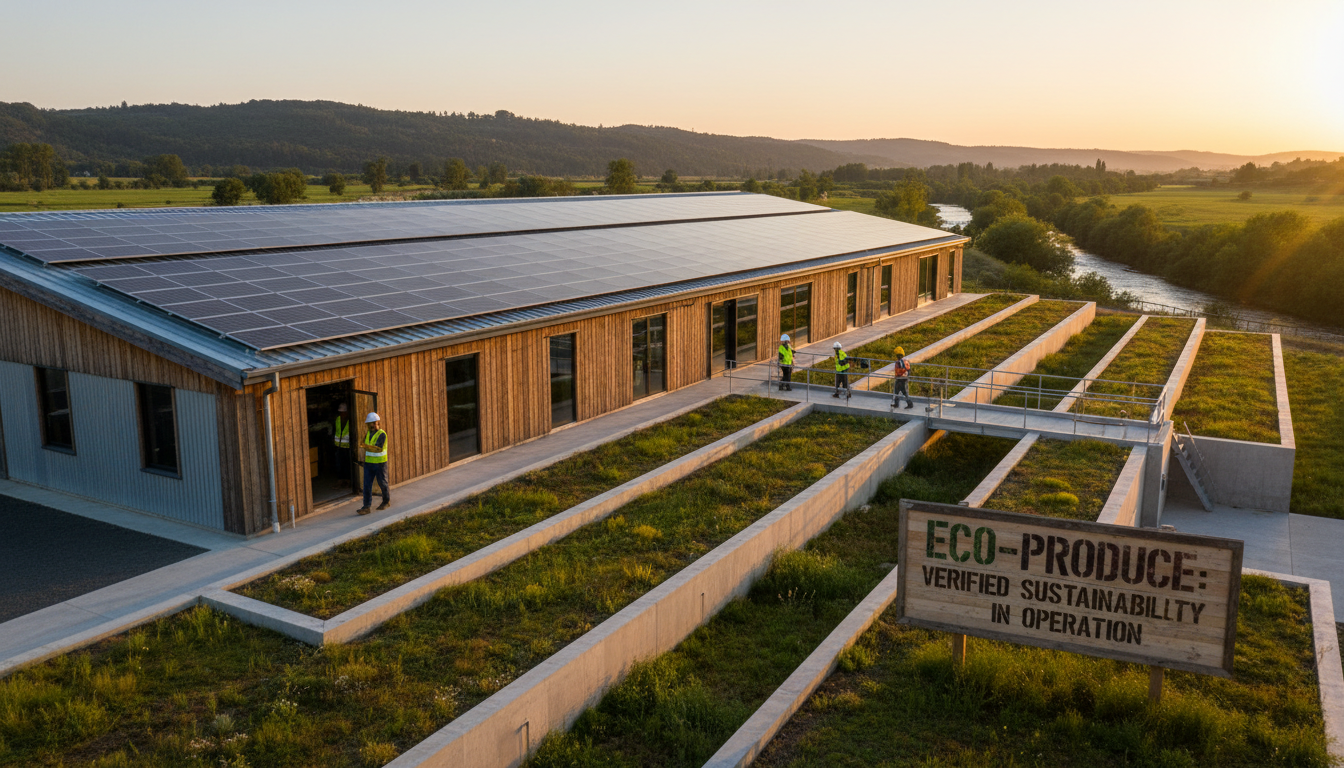
One of the most prevalent myths is that sustainability is prohibitively expensive. While initial investments might be required, sustainable practices often lead to long-term savings. For instance, energy-efficient technologies can reduce utility costs, while waste reduction strategies can decrease disposal fees.
Moreover, sustainable businesses often enjoy enhanced brand loyalty and customer engagement, leading to increased profits. By viewing sustainability as an investment rather than a cost, companies can unlock hidden financial benefits.
Myth 2: Sustainability Only Involves Environmental Concerns
Many businesses equate sustainability solely with environmental efforts, overlooking its broader implications. True sustainability encompasses three pillars: environmental, social, and economic. This means that a sustainable strategy must also consider social equity and economic viability.
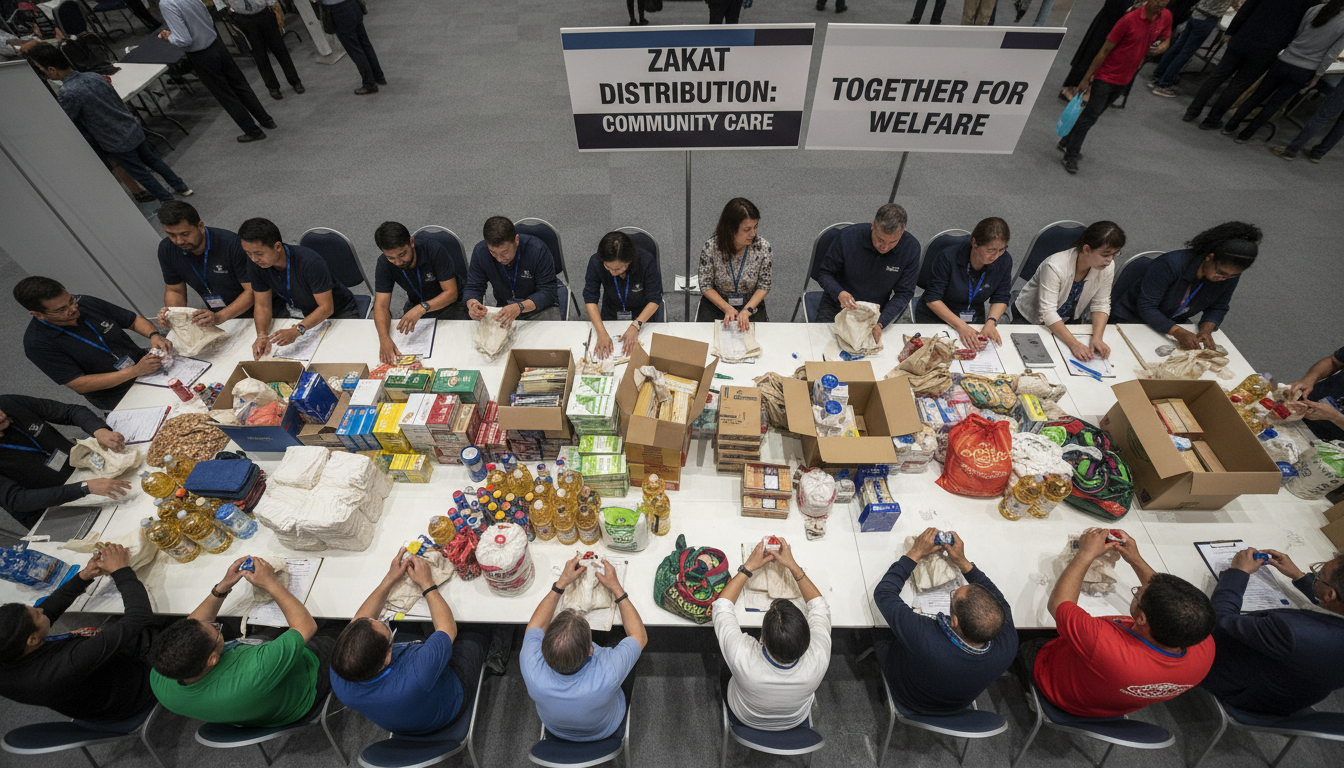
For example, ensuring fair labor practices and contributing to local communities are vital components of a sustainable business strategy. By focusing on all three pillars, companies can create a more holistic and impactful approach.
Myth 3: Only Large Corporations Can Be Sustainable
There is a misconception that sustainability is only achievable for large corporations with extensive resources. In reality, small and medium-sized enterprises (SMEs) can also implement effective sustainable practices. SMEs often have the advantage of agility, allowing them to innovate and adapt quickly.
Simple measures like reducing energy consumption, optimizing supply chains, and engaging with local communities can significantly enhance sustainability for smaller businesses. The key is to start small and scale efforts over time.

Myth 4: Sustainable Products Are Always More Expensive
While some sustainable products may have higher upfront costs, this is not always the case. As demand for sustainable goods increases, economies of scale are driving prices down. Additionally, many sustainable products have a longer lifespan, providing better value over time.
Consumers are increasingly willing to pay a premium for products that align with their values, meaning businesses can often pass on any additional costs. By clearly communicating the benefits of sustainable products, companies can tap into this growing market.
Moving Beyond Myths
Understanding and debunking these myths is crucial for businesses aiming to implement genuine sustainable strategies. By embracing a comprehensive view of sustainability that includes economic, social, and environmental dimensions, companies can contribute positively to the planet and society.
Ultimately, sustainability is not just a trend but a necessity for future-proofing businesses. By breaking down these misconceptions, companies can embark on a more informed and impactful sustainability journey.