Reducing Carbon Footprint: Practical Steps for Businesses
Understanding the Importance of Carbon Footprint Reduction
As businesses become more aware of their environmental impact, reducing carbon footprint has become a priority. A carbon footprint represents the total greenhouse gas emissions caused directly and indirectly by an organization. By focusing on sustainability, companies can not only contribute to environmental protection but also enhance their brand reputation and reduce operational costs.
Energy Efficiency Improvements
An effective way to reduce carbon footprint is by improving energy efficiency. Businesses can start by conducting an energy audit to identify areas where energy consumption can be minimized. Implementing energy-efficient lighting, optimizing heating and cooling systems, and using energy-efficient appliances can significantly reduce energy use.
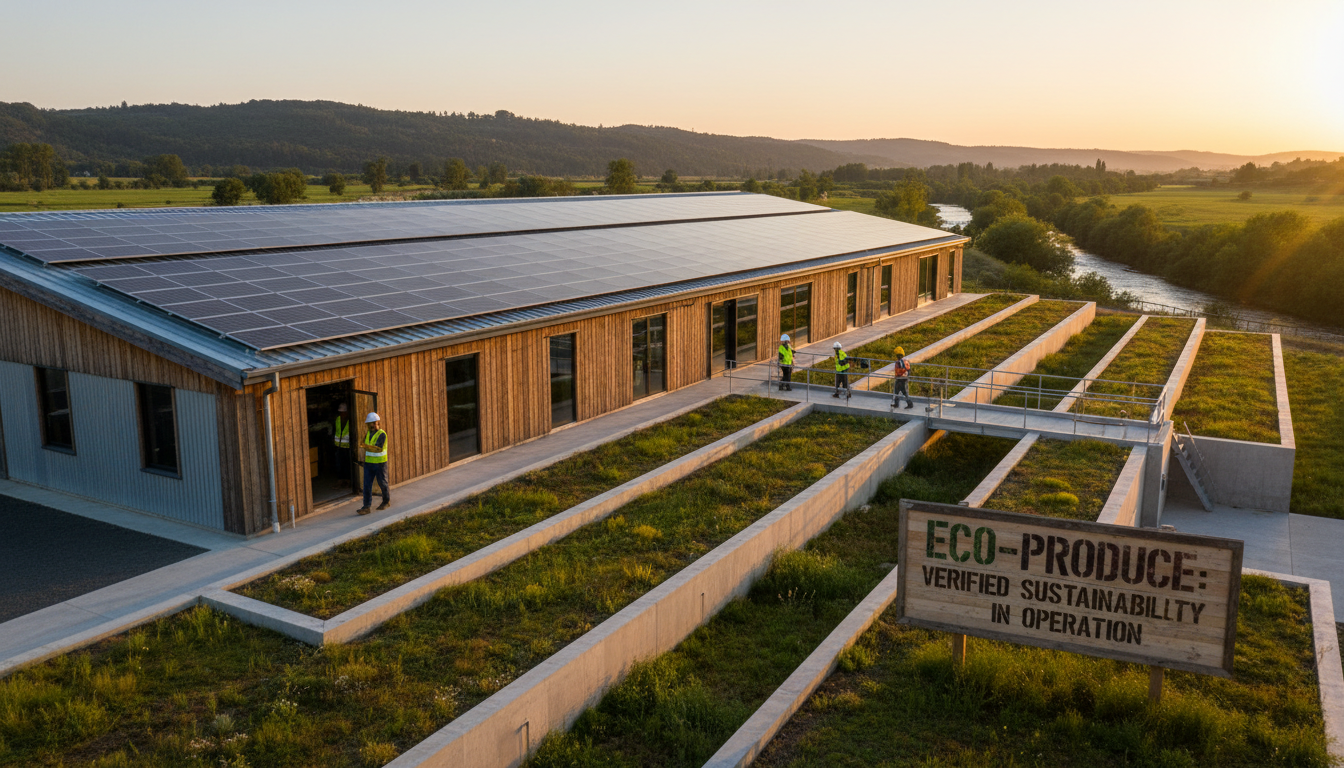
Additionally, investing in renewable energy sources such as solar or wind can further decrease reliance on fossil fuels. Many companies are now installing solar panels as a sustainable energy solution, which not only reduces carbon emissions but also lowers energy bills in the long run.
Optimizing Supply Chain Operations
Another critical area to focus on is the supply chain. By optimizing logistics and transportation, companies can significantly cut down on emissions. Consider switching to eco-friendly packaging materials, consolidating shipments, and choosing suppliers that prioritize sustainability.

Moreover, businesses can work with supply chain partners to develop more sustainable practices. This collaboration can lead to innovations that reduce emissions across the entire supply chain, creating a ripple effect of positive environmental impact.
Encouraging Sustainable Practices Among Employees
Encouraging employees to adopt sustainable practices can also contribute to reducing a company’s carbon footprint. Initiatives like promoting carpooling, offering incentives for using public transportation, and implementing a remote work policy can reduce commuting emissions.

Additionally, fostering a culture of sustainability within the workplace by reducing paper usage, promoting recycling, and organizing sustainability workshops can further enhance these efforts. Engaging employees in sustainability initiatives creates a shared sense of responsibility and can lead to innovative ideas for further reduction.
Measuring and Reporting Progress
To ensure ongoing progress, businesses should measure and report their carbon footprint regularly. Tools and software are available to track emissions and identify areas for improvement. By setting clear goals and monitoring progress, companies can remain accountable and transparent in their sustainability efforts.
Publicly sharing sustainability reports can also build trust with customers and stakeholders, showcasing the company’s commitment to reducing its environmental impact.
Conclusion: A Commitment to a Sustainable Future
Reducing a business’s carbon footprint is not just an environmental responsibility but also a strategic advantage. By implementing energy-efficient practices, optimizing supply chains, encouraging sustainable behavior among employees, and continuously measuring progress, companies can make significant strides toward sustainability.
In the journey to reducing carbon footprints, every small step counts. By committing to these practices, businesses can contribute to a healthier planet while also reaping the benefits of operational efficiencies and enhanced brand reputation.