Reducing Environmental Impact: A Step-by-Step Guide for Businesses
As businesses become more conscious of their environmental impact, taking steps to reduce this footprint is not only beneficial for the planet but also for brand reputation and operational efficiency. Here’s a step-by-step guide to help your business minimize its environmental impact.
Assessing Your Current Impact
Understanding where your business stands is the first step. Conduct a thorough audit of your current practices to identify areas where you can reduce waste and energy consumption. This may involve examining your supply chain, production processes, and office operations.

Once you have a clear picture of your current impact, you can set realistic and measurable goals. These goals should align with your business objectives and reflect your commitment to sustainability.
Implementing Energy-Efficient Practices
Reducing energy consumption is a crucial step in minimizing environmental impact. Consider investing in energy-efficient equipment and appliances. Switching to LED lighting, optimizing heating and cooling systems, and utilizing energy-saving office technology can significantly cut down on energy use.
Another effective strategy is to encourage telecommuting and flexible work hours. This not only reduces the energy consumption of your office but also lowers the carbon footprint associated with commuting.

Reducing Waste
Adopting a zero-waste policy can greatly influence your environmental footprint. Start by minimizing paper use through digital documentation and recycling programs. Encourage employees to adopt reusable items like water bottles and coffee mugs.
It's also essential to scrutinize your production processes for waste reduction opportunities. Implementing efficient inventory management can help minimize excess and waste in your supply chain.

Engaging Employees and Stakeholders
Your sustainability efforts will be more successful if everyone is on board. Engage employees by offering training sessions and workshops on sustainable practices. Creating a culture of environmental responsibility can lead to innovative ideas and solutions from within your team.
Additionally, communicating your sustainability goals to stakeholders and customers can strengthen your brand image. Transparency in your practices builds trust and encourages others to support your initiatives.
Partnering with Sustainable Suppliers
Evaluate your supply chain and prioritize working with vendors and suppliers who share your commitment to sustainability. This could mean opting for local suppliers to reduce transportation emissions or choosing those who use environmentally friendly materials and processes.
Building strong relationships with these partners can enhance your business's sustainability efforts and create a network of environmentally conscious businesses.
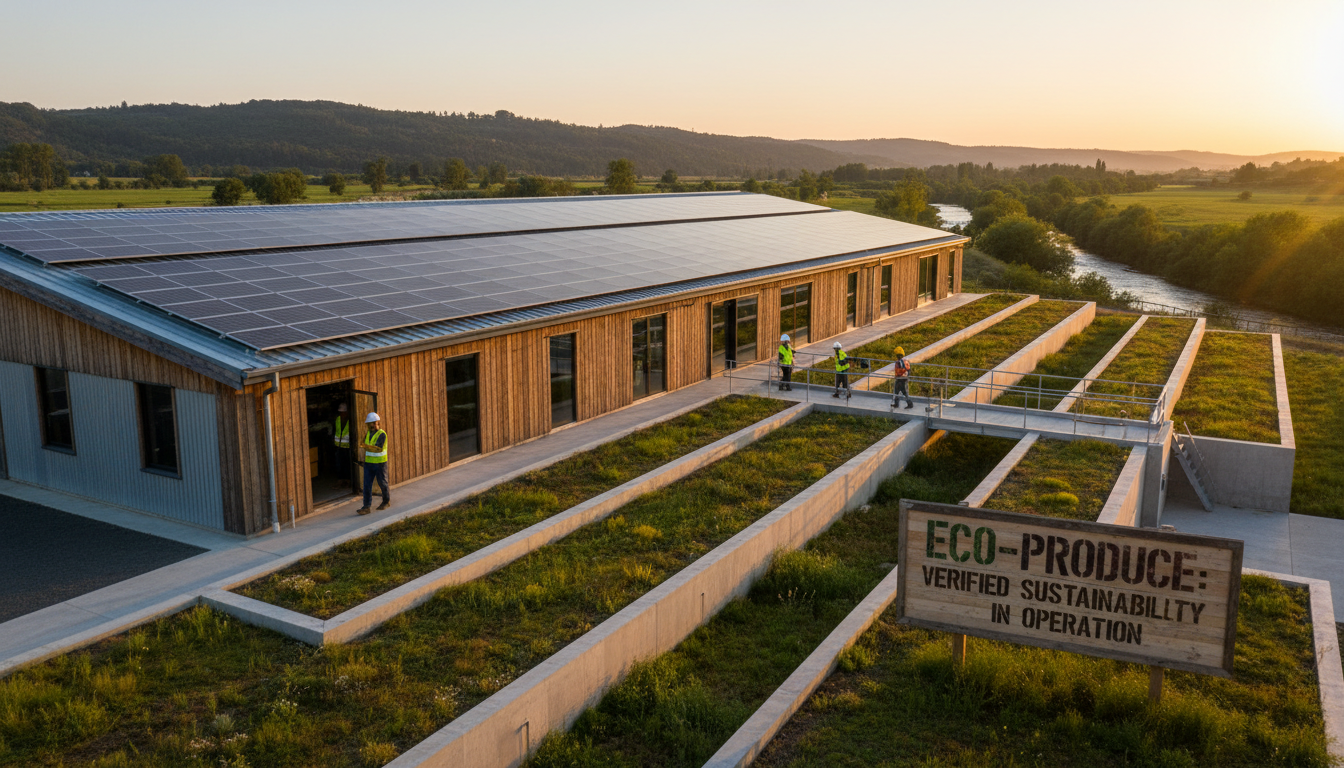
Monitoring and Reporting Progress
Regularly monitor your progress towards your environmental goals. Use metrics and data to assess the effectiveness of your strategies. This will help you identify areas for improvement and celebrate your successes.
Reporting your progress not only holds your business accountable but also demonstrates your commitment to sustainability to customers and stakeholders.
By following these steps, your business can significantly reduce its environmental impact, paving the way for a more sustainable future. Remember, every small change can make a big difference.