Top Trends in Sustainable Business Practices: What to Expect
Introduction to Sustainable Business Practices
In recent years, sustainable business practices have moved from the periphery to the core of business strategy. Companies worldwide are recognizing the importance of integrating sustainability into their operations, not only for environmental reasons but also for economic and social benefits.
As we look to the future, several key trends are shaping the landscape of sustainable business practices. From innovative technologies to shifts in consumer behavior, businesses must stay informed to remain competitive and responsible.

The Rise of Circular Economy Models
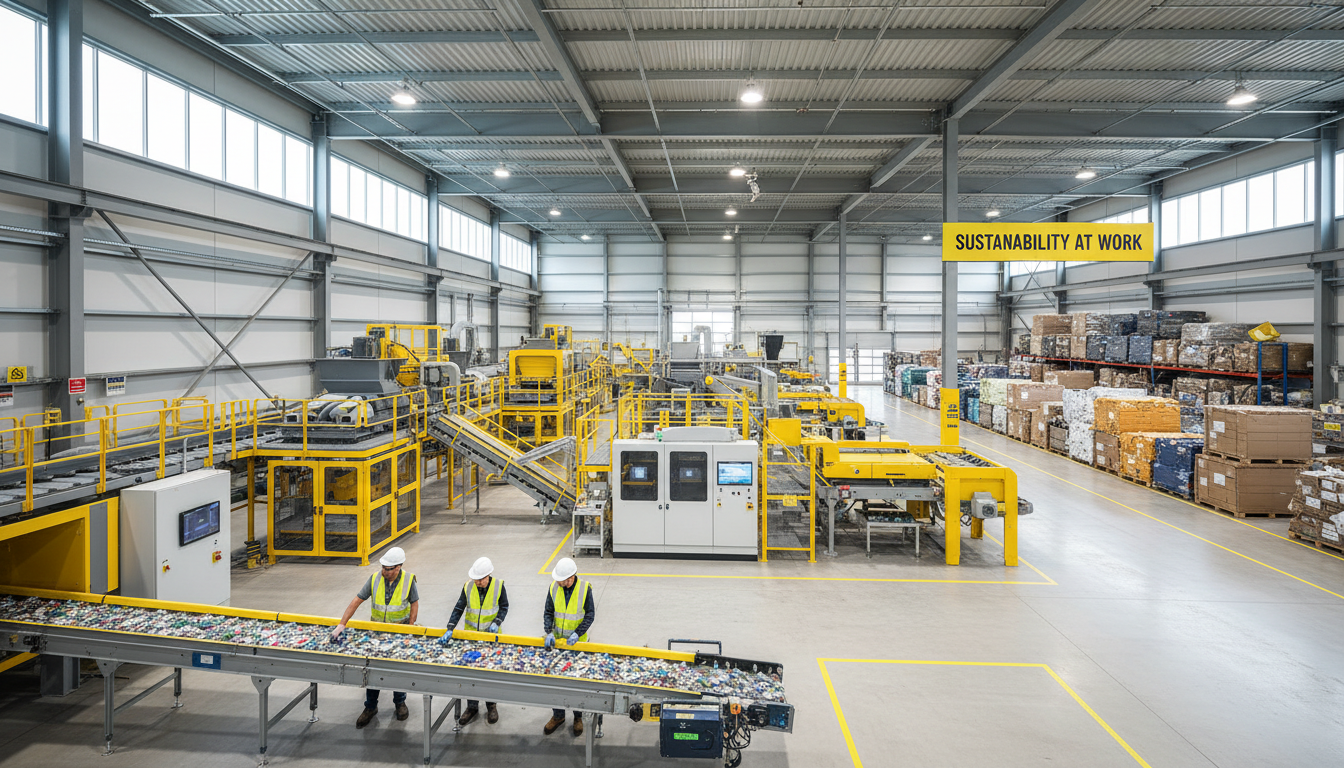
One of the most significant trends in sustainable business practices is the shift towards a circular economy. Unlike the traditional linear model of "take, make, dispose," the circular economy focuses on minimizing waste and making the most of resources.
Companies are increasingly adopting models that emphasize recycling, reusing, and refurbishing products. This shift not only reduces environmental impact but also opens new business opportunities and cost savings.
Key Components of a Circular Economy
- Designing products for longevity and recyclability.
- Implementing take-back or buy-back programs.
- Utilizing renewable energy sources.
Technological Innovations Driving Sustainability
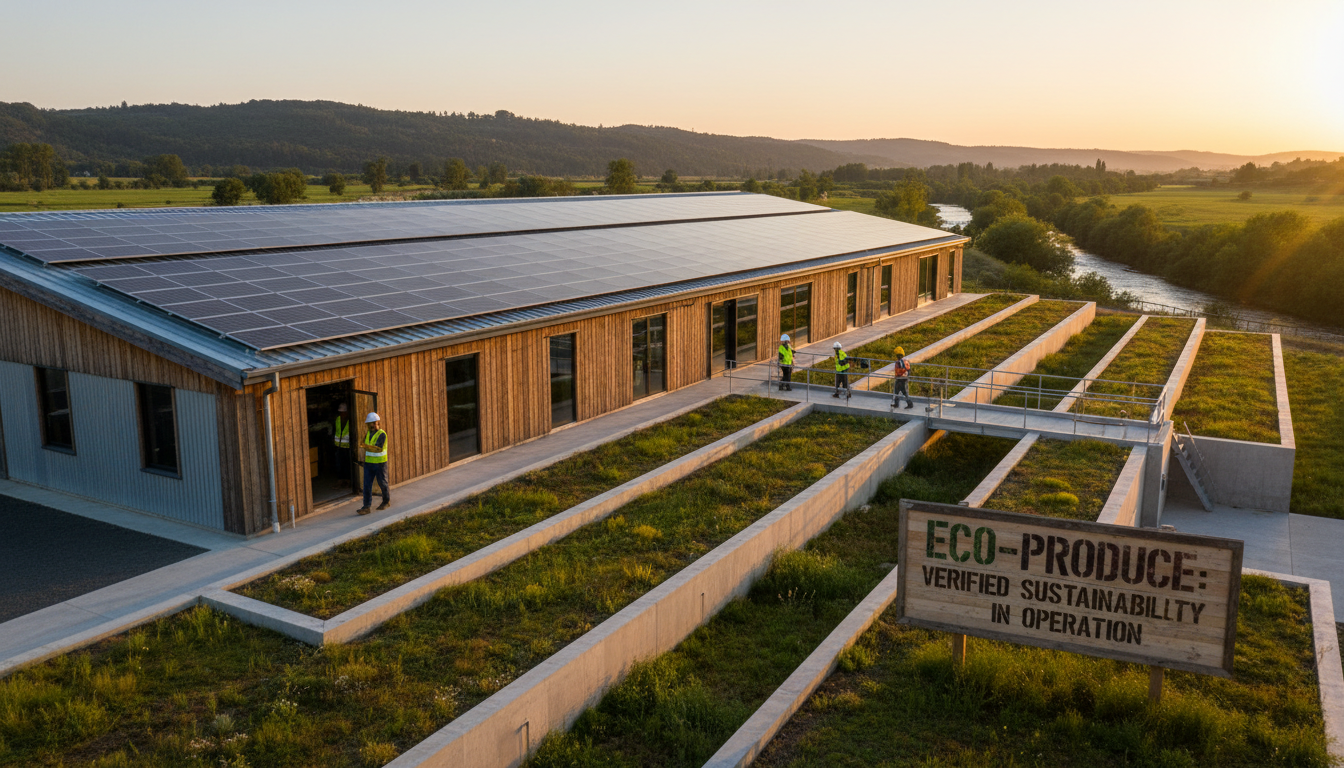
Technology plays a crucial role in advancing sustainable business practices. Innovations such as blockchain, AI, and IoT are enabling more efficient resource management and transparent supply chains.
For instance, AI can optimize energy use, while blockchain ensures supply chain transparency, allowing consumers to trace products back to their sustainable sources. These technologies not only enhance sustainability but also build consumer trust.
Examples of Sustainable Technologies
- Smart energy management systems.
- Blockchain for supply chain transparency.
- AI-driven waste reduction tools.
Consumer Demand for Sustainable Products
Consumer awareness and demand for sustainable products have never been higher. Modern consumers are increasingly prioritizing brands that demonstrate genuine commitment to sustainability.
This trend is pushing companies to innovate in product development, ensuring that sustainability is embedded in every stage of the product lifecycle, from sourcing raw materials to packaging and disposal.

Corporate Social Responsibility (CSR) and Sustainability
Corporate Social Responsibility continues to be an integral part of sustainable business practices. Companies are expanding their CSR initiatives, focusing on creating positive social and environmental impacts alongside economic growth.
Businesses are setting ambitious sustainability goals, such as reducing carbon footprints, supporting community development, and ensuring fair labor practices in their supply chains.
How Businesses Can Strengthen CSR
- Engaging in community-focused projects.
- Partnering with NGOs and sustainability organizations.
- Transparent reporting on sustainability efforts and impacts.
Conclusion
The future of business lies in sustainability. As these trends continue to evolve, companies that embrace sustainable practices will not only contribute positively to the planet but will also secure long-term success and resilience.
By staying informed and adaptable, businesses can lead the way towards a more sustainable and prosperous future for all.