Transforming Operations for Efficiency and Sustainability: A Comprehensive Guide
Introduction to Operational Transformation
In today’s fast-paced world, businesses are under immense pressure to enhance their operations for both efficiency and sustainability. The dual focus on these aspects not only helps in reducing costs but also aligns with global environmental goals. Embracing these changes is crucial for long-term success and resilience.
Transforming operations demands a strategic approach that integrates advanced technologies and innovative practices. This comprehensive guide will explore how businesses can achieve this transformation effectively.

Understanding Efficiency in Operations
Efficiency is about maximizing output while minimizing input. It involves the optimization of resources, processes, and time to achieve the best possible results. Businesses can start by assessing their current operations to identify areas of wastage or inefficiency.
Implementing automation and leveraging data analytics can significantly enhance operational efficiency. Automation reduces human error and accelerates processes, while data analytics provides insights into performance and areas for improvement.
Embracing Sustainability
Sustainability goes beyond environmental impact; it encompasses economic and social dimensions as well. Businesses need to adopt practices that are environmentally friendly, economically viable, and socially responsible.
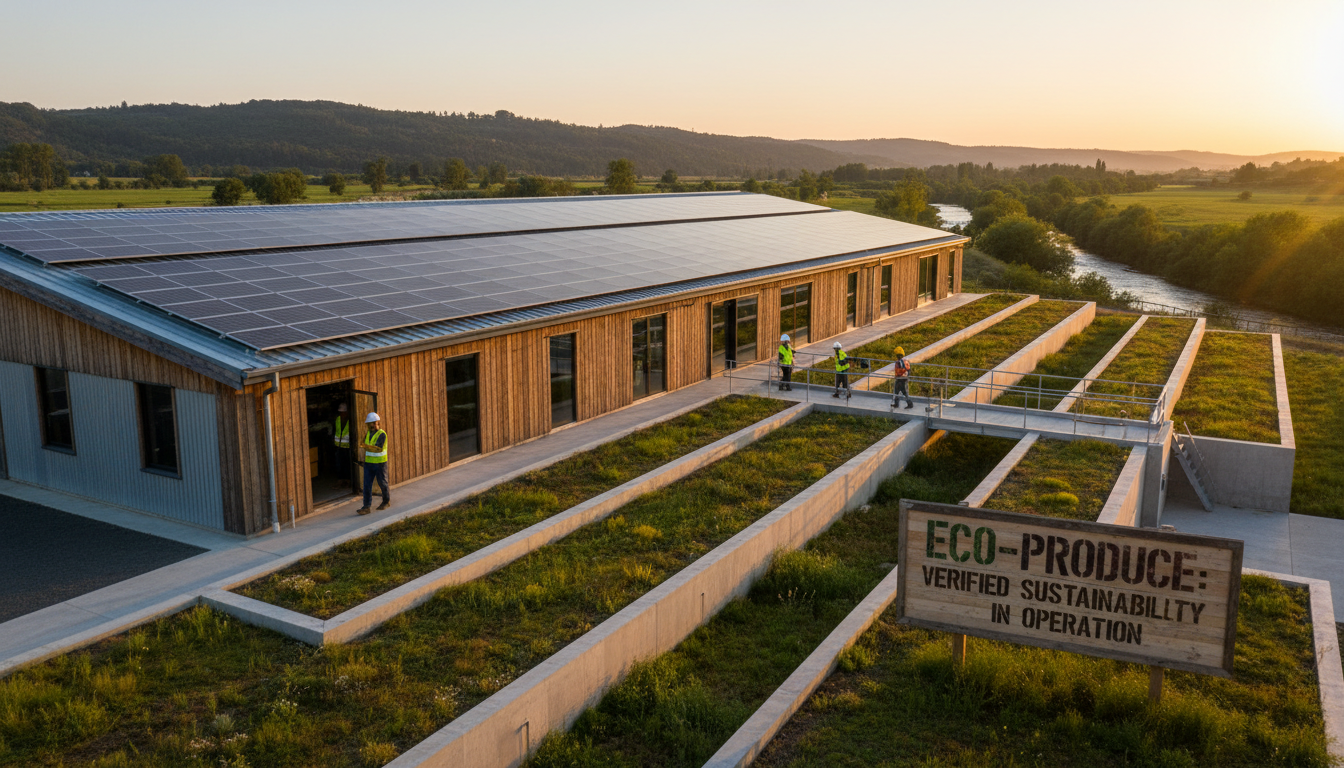
Adopting renewable energy sources and reducing waste are fundamental steps towards achieving sustainability. Additionally, businesses can engage in ethical sourcing and support community-driven initiatives to foster a sustainable ecosystem.
Integrating Technology for Transformation
The role of technology in transforming operations cannot be overstated. From cloud computing to IoT, the technological landscape offers numerous tools to streamline processes and reduce environmental impact.
Cloud computing allows for scalable and flexible operations, reducing the need for physical infrastructure. IoT devices can monitor and optimize energy usage, contributing to sustainability goals.
Implementing Change Management
Changing operational processes can be challenging, and effective change management is essential. It involves preparing, supporting, and helping individuals and teams in making organizational changes.
- Communicate the vision clearly.
- Engage employees at all levels.
- Provide training and resources.
- Monitor progress and adapt strategies as needed.

Measuring Success
To ensure that transformation efforts are successful, businesses must establish metrics and KPIs. These measurements should reflect both efficiency and sustainability objectives.
- Energy consumption rates
- Waste reduction levels
- Operational cost savings
- Employee satisfaction and productivity
Conclusion: A Balanced Approach
Transforming operations for efficiency and sustainability is not a one-time effort but a continuous journey. By adopting a balanced approach that incorporates technology, sustainable practices, and effective change management, businesses can position themselves for a successful future.
Embracing these changes will not only enhance operational performance but also contribute positively to society and the environment, ultimately leading to a more sustainable and prosperous world.